
See Your Day as a System You Can Shape
Today we explore Everyday Systems Thinking, turning ordinary routines into understandable, improvable networks of causes and effects. From coffee to commutes, calendars to conversations, we will uncover feedback loops, leverage points, and simple mapping tricks. Expect practical stories, humble experiments, and gentle questions that help you see patterns, test tiny changes, and celebrate progress. Join in by sharing your examples, subscribing for future explorations, and inviting a friend who loves making life smoother without adding stress or complexity.

Coffee, Commute, and Cascades
Your mug time affects hydration, bathroom timing, and commute pacing, which in turn influence arrival mood, first meetings, and early decisions. Examine the cascade. Try a short water ritual before coffee, or adjust brewing preparation the night before. Record how your first ninety minutes feel across a week. Look for consistent signals—steady gait, calmer breath, fewer frantic moments—then fine-tune. The point is not perfection, but aligning tiny steps so the day starts cooperative, not combative, and momentum becomes your ally.

Bottlenecks at the Door
The last five minutes before leaving often carry the most risk: where are keys, headphones, badge, lunch, umbrella, chargers, and mask? Establish a single staging area and a visible checklist placed exactly where you cannot miss it. Consider lighting and placement as part of the system, reducing friction through design rather than willpower. Track missed items for a week and remove one failure point at a time. A small shelf, a charging bowl, or a hook rail can stabilize your entire morning pipeline.
Feedback Loops You Can Feel
Some patterns dampen volatility, like a steady bedtime routine that keeps mornings predictable. Others amplify momentum, like public commitments that inspire consistent action. Learn to identify brakes and accelerators in feelings and behaviors. Track how hydration, movement, and messages early in the day affect focus and patience later. Small interventions, like delaying social media or scheduling a two-minute reset, can rewire loops. When you experience these cycles in your body and calendar, their shapes become unmistakable, and adjustments become graceful rather than forced.

From To-Do Lists to Flows
To-do lists fragment focus. Flows integrate purpose with sequence. Group related tasks into sessions with defined entry and exit rituals. Decide inputs beforehand—documents, links, people—so starts are smooth and finishes clean. A flow mindset transforms interruptions into managed handoffs rather than derailments. When work is seen as movement through stages, progress becomes easier to spot, celebrate, and adjust. Over time, flows reduce context switching costs, protect creative depth, and make wins visible enough to sustain motivation without requiring constant external encouragement or pressure.
Boundaries, Buffers, and Slack
Systems thrive on slack. Schedule breathing room between back-to-back calls, leaving five minutes for notes and transitions. Build buffers before deadlines to catch rework without late-night panic. Protect boundaries by defining when you accept new commitments and when you pause intake. This is not laziness; it is responsible engineering for human work. Put slack where volatility is highest, and you will experience fewer cascades of failure. The result is a steadier week, better quality, and a kinder relationship with your future self.
Small Levers, Big Shifts
Leverage points are subtle adjustments that create outsized effects: changing defaults, improving visibility, or altering feedback timing. Instead of pushing harder, you modify the structure guiding behavior. For instance, put a water bottle within arm’s reach, or delay messaging apps until after your first deep-work block. These structural edits reduce decision fatigue and make the desired action easiest. When in doubt, look for a lever that changes the choice architecture rather than relying on sheer willpower or elaborate personal pep talks.


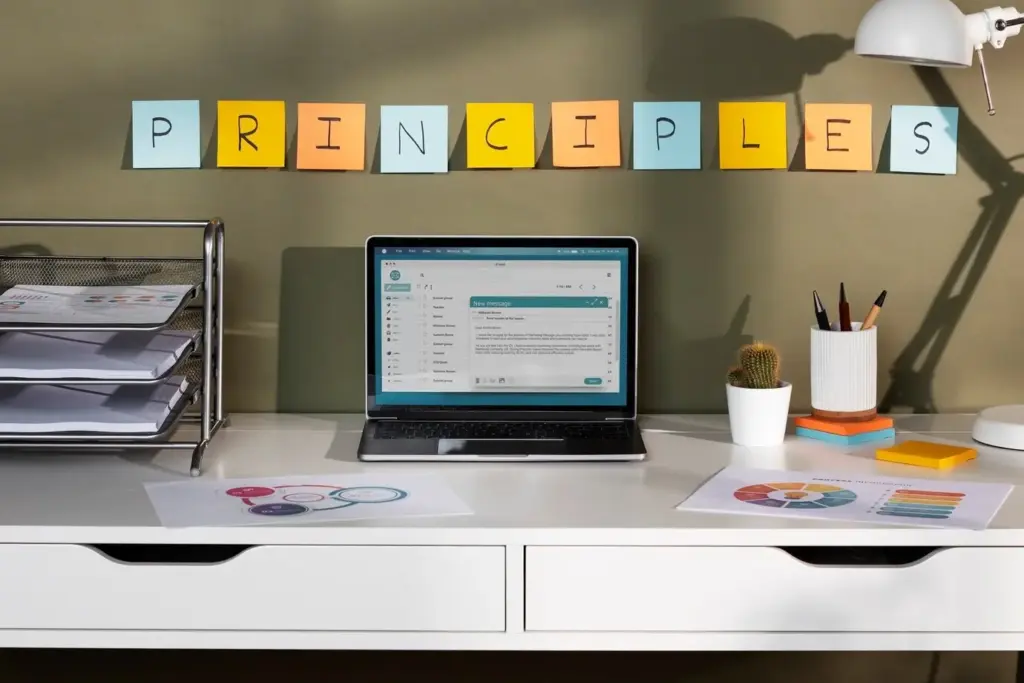

Conversations as Living Systems
{{SECTION_SUBTITLE}}

Reduce Friction with Clear Inputs
Before a discussion, define what success looks like and which documents or data are required. Place them in one obvious location and confirm access thirty minutes prior. Start with context, then decisions, then next steps. This sequence prevents backtracking and keeps energy moving forward. By clarifying inputs, you shorten time-to-clarity and reduce performative updates. The conversation becomes a purposeful flow rather than an improvisation jam. Participants leave aligned, capable of action, and appreciative of a process that respects attention as a limited shared resource.

Build Reinforcing Loops of Trust
Trust compounds. Deliver on small commitments, narrate your process transparently, and celebrate others’ contributions publicly. This creates a reinforcing loop: reliability invites openness, openness improves coordination, coordination increases reliability. When mistakes happen, acknowledge quickly and propose a repair step. The loop continues. Over time, communication overhead drops, creative risks feel safer, and conflict turns constructive. Design one weekly ritual—a thank-you note, quick demo, or retrospective question—to feed this loop consistently. The return on trust is astonishingly high and delightfully durable.
All Rights Reserved.